Getting Started with Watercress Seeds
Watercress is a leafy green vegetable that thrives in cool, moist environments and can be grown year-round with the right conditions. Growing watercress seed is straightforward and rewarding, making it an excellent choice for both beginner and experienced gardeners. Unlike many vegetables, watercress actually prefers consistently damp soil or even shallow water, so it's perfect if you have a boggy area in your garden or want to try container gardening with a twist.
Choosing the Right Growing Environment
Watercress grows best in partial shade and requires plenty of moisture. If you're planting in the ground, select a location near a water source or in a naturally damp area. You can also grow watercress in containers filled with potting soil mixed with peat moss or coconut coir to retain moisture. For the most reliable success, consider setting up containers where you can easily maintain consistent watering. Watercress also grows exceptionally well in shallow trays or even small indoor setups with regular misting.
Preparing Your Seeds and Soil
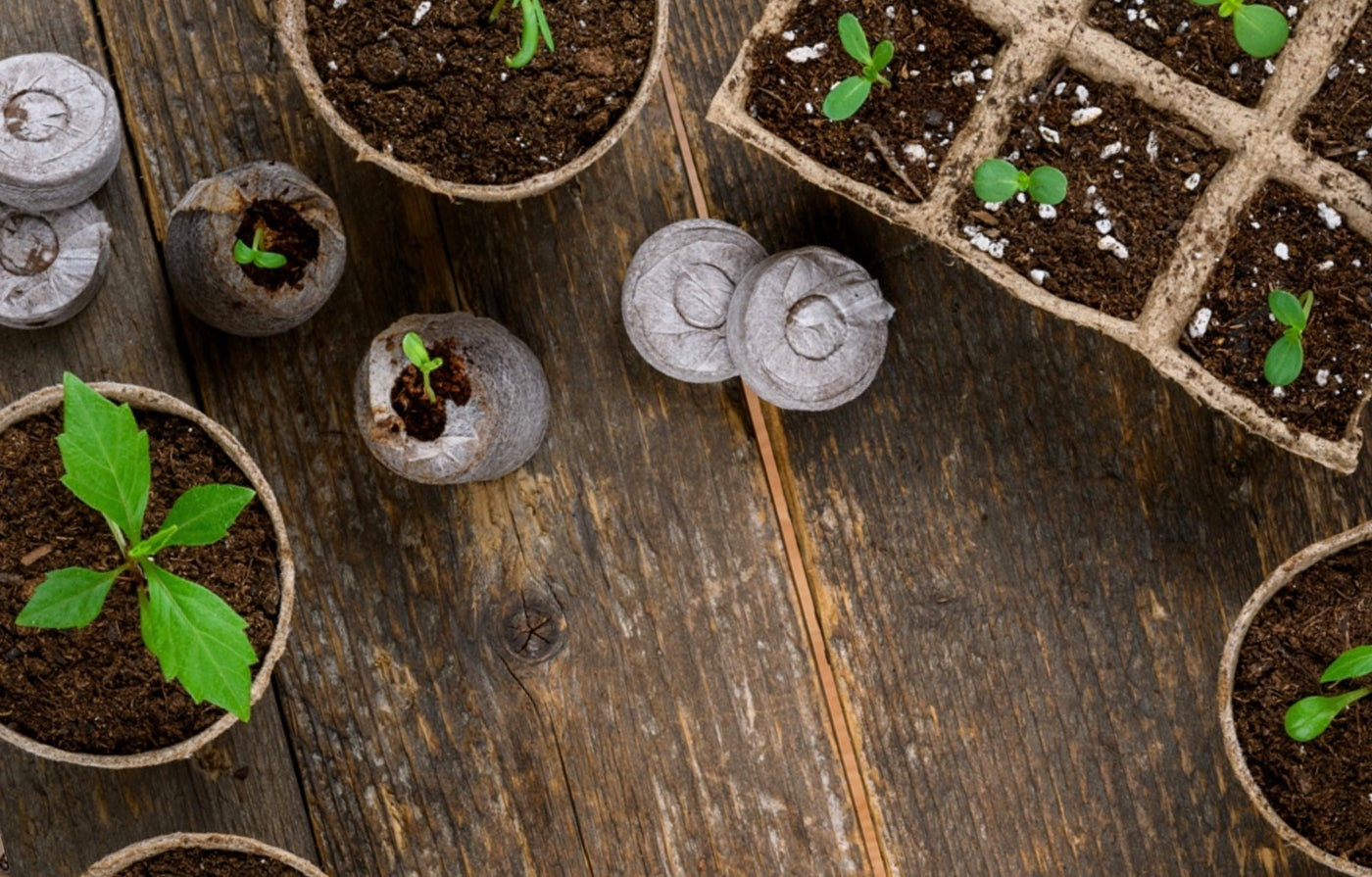
Start your watercress seeds indoors about 4 to 6 weeks before your last spring frost, or direct sow them into prepared beds. The soil should be rich in organic matter and kept consistently moist—not soggy, but never dry. Watercress seeds are tiny and germinate best when sown directly on the soil surface without being buried. Press them gently into the soil and mist with water to help them make contact. Keep the seedbed shaded and maintain high humidity until seedlings emerge, which typically takes 10 to 14 days.
Watering and Maintenance
Once your watercress seedlings are established, consistency is key. Water daily or multiple times per day if the weather is warm or dry, as watercress cannot tolerate drought. If you're growing in containers, ensure drainage holes are present but the soil remains constantly moist. Watercress is a cool-season crop and actually produces better flavor in spring and fall when temperatures are mild. In summer, provide afternoon shade to prevent bolting and keep plants cooler.
Harvesting Your Watercress
You can begin harvesting watercress leaves about 3 to 4 weeks after seedlings emerge, or when plants reach 4 to 6 inches tall. Pinch off the top leaves and tender stems to encourage bushier growth and continuous production. Regular harvesting actually promotes more vigorous plant development. Watercress can be harvested throughout the growing season as long as you maintain proper moisture levels. For the most tender and flavorful leaves, harvest in the early morning.
Extending Your Growing Season
Watercress is cold-hardy and can survive light frosts, making it ideal for extending your harvest into fall and even early winter in many regions. If you want year-round watercress, consider moving containers indoors or setting up a simple grow light setup in a cool room. The slower growth during winter months is normal and actually produces more tender, flavorful leaves. With consistent care and attention to moisture, you'll enjoy a steady supply of this nutritious green from a single planting.