|
Depth to Plant
|
Spacing Between Plants |
Days to Germinate (Sprout)
|
Germination
|
Best Season to Plant_________ |
Sun
|
Soil
|
Good Plant Companions |
Days to Maturity
|
| 1/4" Deep | 18" Apart | 6-7 Days | Between 60° F and 70° F | Spring and Fall | Full Sun | pH of 5.5-6.5 | Cabbage | 50-70 |
Starting Your Dill Seeds Indoors
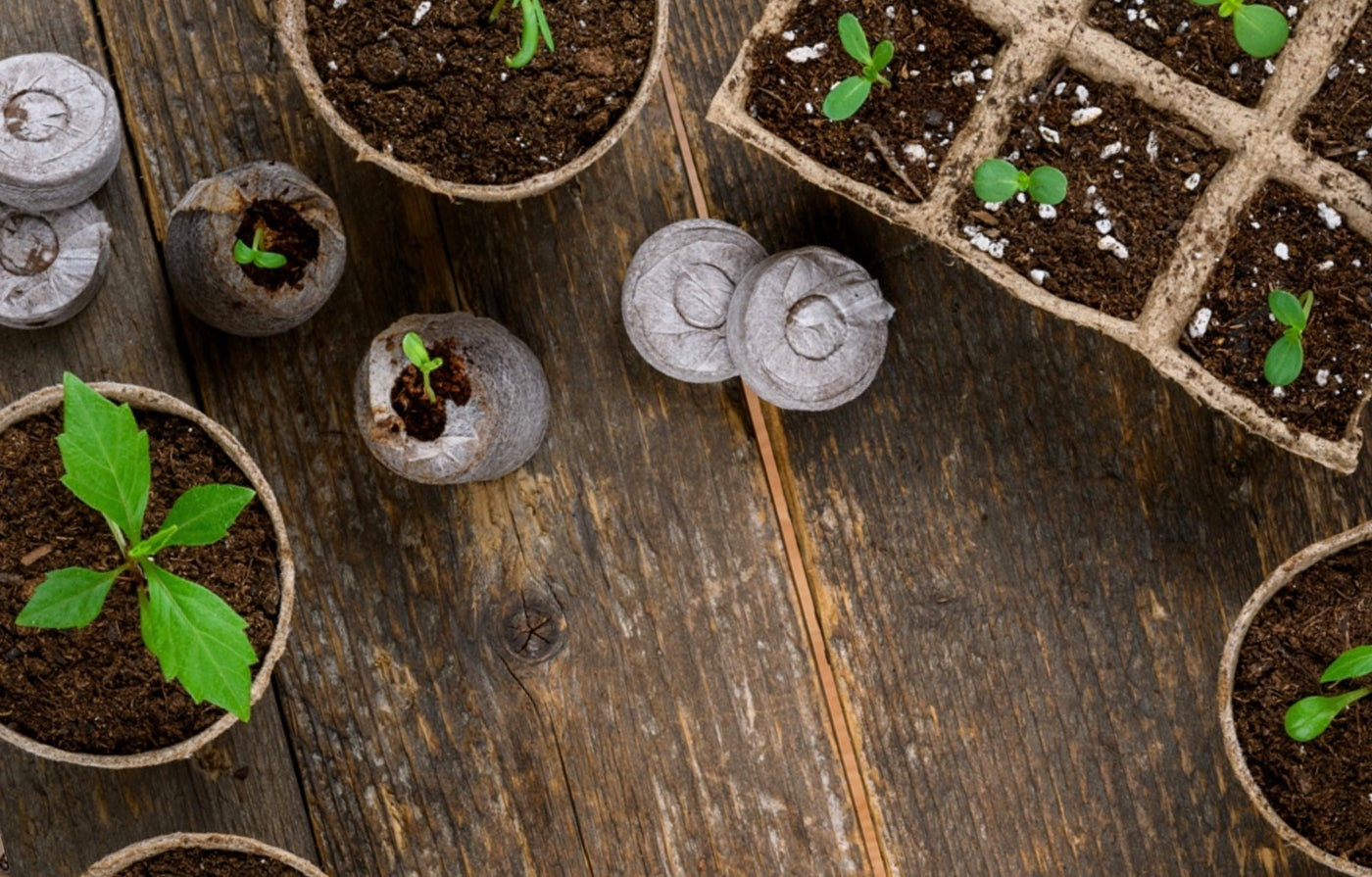
Dill grows best when started from seeds, either directly in your garden or indoors before transplanting. If you're starting dill seeds indoors, begin about four to six weeks before your last frost date. Fill seed trays with a light, well-draining seed-starting mix and plant seeds about a quarter-inch deep. Keep the soil consistently moist but not waterlogged, and provide plenty of light once seedlings emerge. Dill seedlings are delicate, so handle them gently when it's time to transplant.
Direct Sowing Dill in the Garden
Many gardeners prefer to direct sow dill seeds straight into the garden since dill doesn't transplant as well as other herbs. Once soil temperatures reach at least 60°F and all danger of frost has passed, scatter seeds directly where you want them to grow. Press seeds lightly into the soil surface—they need light to germinate. Keep the seedbed moist for the first two weeks until sprouts appear, then thin seedlings to about six inches apart to give them room to develop strong roots.
Choosing the Right Location
Dill thrives in full sun, so select a spot that receives at least six to eight hours of direct sunlight daily. The herb prefers well-draining soil and doesn't need a lot of nutrients to flourish. If your soil tends to be heavy or clay-based, work in some compost or sand to improve drainage. Dill is fairly tolerant of poor soil conditions, making it an excellent choice for beginning gardeners.
Watering and Care
Once established, dill is quite drought-tolerant and doesn't need frequent watering. Water deeply but infrequently, allowing the soil to dry out between waterings. Overwatering is one of the most common mistakes with dill, as it can lead to root rot and weak plants. Dill doesn't typically need fertilizing if your soil is reasonably healthy, though a light feeding with a balanced fertilizer in mid-summer won't hurt.
Harvesting Your Dill
You can begin harvesting dill leaves about three to four weeks after planting. Pinch off the top leaves and stems regularly to encourage bushier growth. For seeds, allow some flowers to mature and dry on the plant. Once the seed heads turn brown and papery, cut them off and hang them in a paper bag to fully dry. Your homegrown dill will add wonderful flavor to pickles, soups, and fresh dishes all season long.
In Summary
| How to Grow & Harvest Dill |
|
When to Plant Dill can easily be grown from seed. Direct sow, in early spring. Cover them lightly with soil.
How to Plant If this is your first attempt at growing herbs, dill is a wonderful variety to try. Dill prefers full sun and soil that is well drained. Dill can be grown in average soil, and also can tolerate dry conditions. Water the plant through periods of drought or once or twice a week. If necessary, use a general purpose fertilizer once or twice a season. When to Harvest When you're ready to harvest, look for the dark green leaves, otherwise known as "dill weed". You can harvest the leaves at any time. The young leaves tend to have better flavor. You can harvest the flower heads after the seeds have formed and all flowers have died and dried up. Tie the stems together and hang upside down. Once dry, shake into a paper bag to collect the seeds. |