|
Depth to Plant
|
Spacing Between Plants |
Days to Germinate (Sprout)
|
Germination
|
Best Season to Plant_________ |
Sun
|
Soil
|
Good Plant Companions |
Days to Maturity
|
| 1/8" Deep | 1 pack per 3-4 sq. ft. | 7-14 Days | 55° F |
Spring & summer | Full Sun | Rich and well drained | Radishes | 60 |
Getting Started with Chervil Seeds
Chervil is a delicate, leafy herb that thrives in cool seasons and brings a subtle anise-like flavor to your kitchen. Growing it from seed is straightforward and rewarding. Choose a location with partial shade — chervil prefers cooler conditions and can bolt quickly in intense heat. If you're in a warm climate, aim to plant in spring or fall when temperatures stay moderate.
Preparing Your Soil and Planting
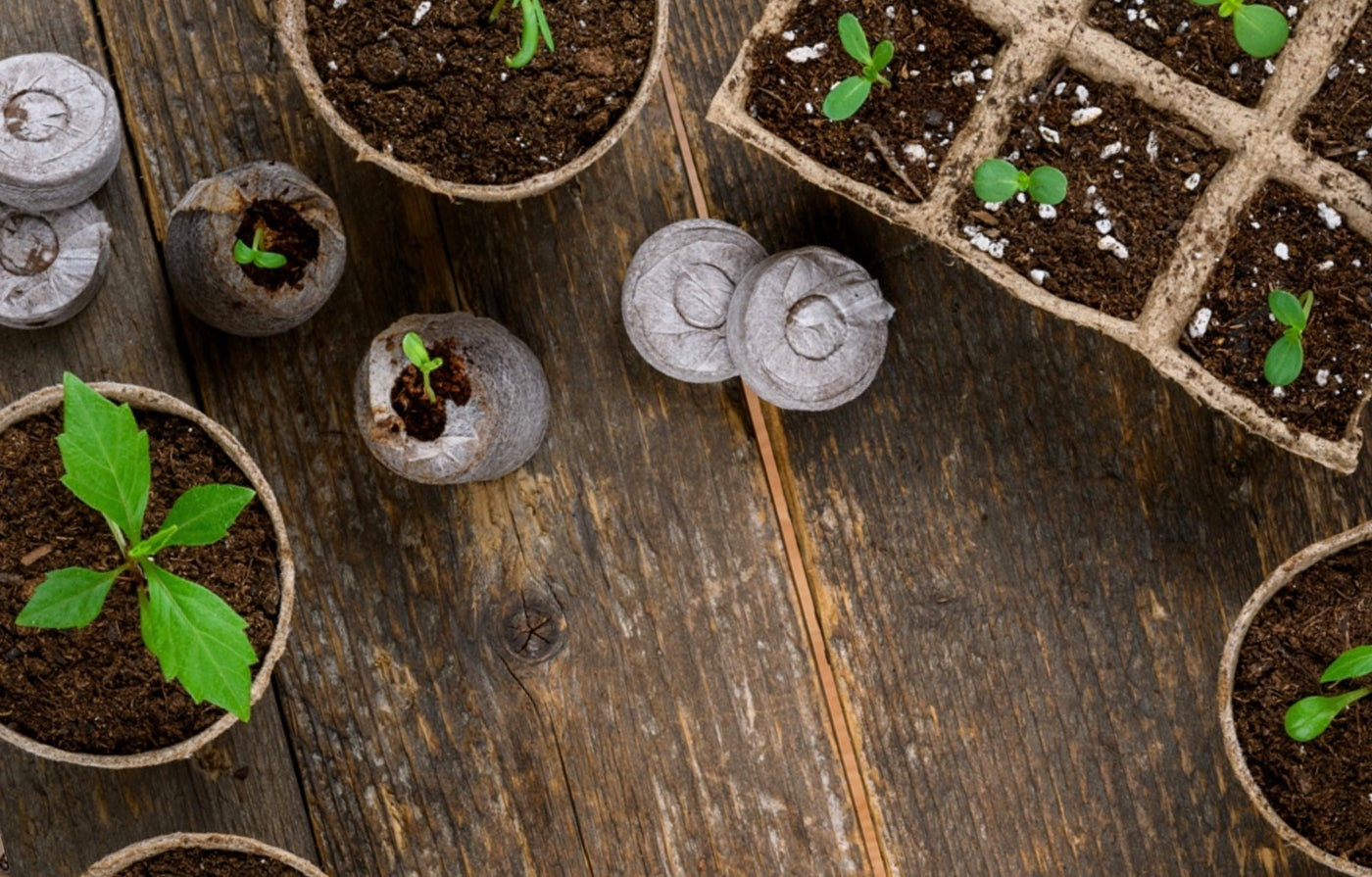
Chervil grows best in rich, well-draining soil with plenty of organic matter. Direct sow seeds into your garden bed or container about 1/4 inch deep, spacing them roughly 6 inches apart. Water gently to keep the soil consistently moist — chervil seeds need moisture to germinate, which typically takes 7 to 14 days. You can also start seeds indoors 4 to 6 weeks before your last spring frost, then transplant seedlings outdoors.
Watering and Feeding
Once established, chervil needs regular watering to keep the soil evenly moist but not waterlogged. Water at the base of the plant to avoid wetting the delicate leaves, which can encourage disease. Feed with a balanced, organic fertilizer every 3 to 4 weeks during the growing season. If you're using compost-rich soil, supplemental feeding may not be necessary.
Managing Growth and Harvesting
Chervil reaches harvest-ready height (6 to 8 inches) in about 6 to 8 weeks. Pinch off the top leaves regularly to encourage bushier growth and delay bolting. Once the plant flowers, the leaves become bitter, so harvest frequently and keep flower buds removed. You can cut leaves from the outside of the plant, allowing the center to keep growing. For continuous harvests, sow seeds every 2 to 3 weeks throughout the growing season.
Troubleshooting Tips
Chervil rarely faces serious pest problems, but watch for aphids or spider mites in dry conditions. Keep humidity moderate and ensure good air circulation. If your chervil bolts too quickly, it's likely responding to heat or stress — try planting in shadier spots or during cooler months. Harvest before flowering to capture the best flavor and texture in your herb.
In Summary
| How to Grow & Harvest Chervil |
|
When to Plant Sowing your seeds in early spring will provide you with a second crop, late in summertime. The plant will reseed itself quite easily. You can also sow seeds in the fall, and most likely, they will survive the winter and bloom in early spring. How to Plant Although most herbs prefer sunny locations, chervil prefers cool, shady locations. Plant this herb only once, and leave a few flowers to go to seed so it can replenish itself year after year. Chervil also makes a wonderful herb to grow indoors in a shady location or windowsill. Thin seedlings to 8 to 12 inches apart.
Six to eight weeks after you have planted chervil, it will be ready for harvesting. Begin snipping the leaves from the plant when the plant itself is about 6 inches tall. This will delay the plant from flowering for a little while until summer comes. You can use chervil fresh or dried in many culinary dishes. Also, try adding chopped chervil to butter and then freezing or adding to vinegar to make flavored vinegar for cooking. Cut flowers lend airiness to fresh or dried flower arrangements, and the dried leaves can be added to potpourris. |
 When to Harvest