| Shop All Peppers ⟐ Shop Hot Peppers ⟐ Shop Sweet Peppers |

Choosing the Right Sweet Pepper Variety
Sweet peppers thrive in warm climates, so selecting a variety suited to your growing season is the first step to success. Look for cultivars known for reliable production in your region. Some popular options include bell peppers, which offer large fruits perfect for fresh eating, and smaller sweet varieties like mini peppers that mature faster. Check your seed packet or growing guide for days to maturity to ensure your chosen variety will finish before the first frost.
Starting Seeds Indoors for a Head Start
Sweet peppers benefit from an early start indoors, typically 6 to 8 weeks before your last spring frost. Sow seeds in a warm, moist seed-starting mix and keep the soil temperature between 70 and 80 degrees Fahrenheit for best germination. Once seedlings emerge, provide 14 to 16 hours of bright light daily using grow lights or a sunny windowsill. Keep the soil consistently moist but not waterlogged, and thin seedlings if they become crowded.
Preparing Your Garden Bed
Sweet peppers prefer rich, well-draining soil with plenty of organic matter. Amend your garden bed with compost or aged manure several weeks before transplanting to boost fertility and improve soil structure. Peppers also appreciate full sun—aim for at least 6 to 8 hours of direct sunlight daily. If your area experiences intense summer heat, afternoon shade can prevent sunscald on developing fruits.
Transplanting and Spacing
Harden off seedlings by gradually exposing them to outdoor conditions over 7 to 10 days before planting. Transplant into the garden after all danger of frost has passed and soil temperatures have warmed to at least 60 degrees Fahrenheit. Space plants 18 to 24 inches apart to allow good air circulation and room for growth. Gently bury the stem slightly deeper than it was in its container to encourage strong root development.
Watering and Feeding
Consistent moisture is key to healthy pepper production. Water deeply and regularly, providing about 1 to 2 inches per week depending on rainfall and temperature. Water at the base of plants early in the morning to minimize disease risk. Once plants begin flowering, switch to a balanced fertilizer or one slightly higher in phosphorus to encourage fruit set. Feed every 3 to 4 weeks throughout the growing season.
Managing Common Challenges
Watch for pests like aphids and spider mites, which can weaken plants. A strong spray of water or insecticidal soap can help manage minor infestations. Provide mulch around plants to retain soil moisture, regulate temperature, and suppress weeds. If flowers drop without setting fruit, this is often due to temperature stress or inconsistent watering—maintaining steady conditions helps prevent this issue.
Harvesting Your Peppers
Sweet peppers can be harvested green once they reach full size, or left on the plant longer to develop their mature color—red, yellow, or orange depending on the variety. Fully colored peppers are sweeter and richer in flavor. Use a sharp knife or pruning shears to cut peppers from the stem, and harvest regularly to encourage continued production throughout the season.
More Plantint Info:
- Botanical name: Capsicum annuum
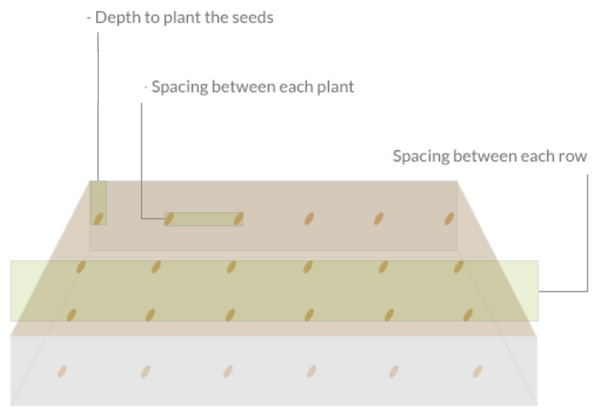
- Depth to plant seeds: .25" deep
- Spacing between plants: 12"-24" apart
- Spacing between rows: 12"-24" apart
- Days to germinate (sprout): 7-21 days
- Germination soil temps: 75F-85F
- Soil needs: 6.0-7.0 pH
- Sun needs: Full sun
- Frost hardy: No
- Planting season: Spring, summer - Start seeds indoors in March or 8 weeks before transplanting
- # of plants per sq. ft.: Appx. 1 plant per 1-2 sq. ft.
- Days to maturity: 70-80 days