| Shop All Peppers ⟐ Shop Hot Peppers ⟐ Shop Sweet Peppers |

Starting Your Hot Chili Pepper Garden
Growing organic hot chili peppers at home is easier than you might think. With the right conditions and a little patience, you can cultivate a thriving pepper garden that produces vibrant, flavorful crops year after year. Whether you're a seasoned gardener or just starting out, these fundamentals will set you up for success.
Choose the Right Variety
Begin by selecting chili pepper varieties that suit your climate and heat preferences. Popular organic-friendly options include jalapeños, serranos, habaneros, and Thai hot peppers. Research which varieties thrive in your region and match the spice level you enjoy. Starting with varieties known for reliability helps build confidence as a new pepper grower.
Provide Plenty of Sunlight
Hot chili peppers love sunlight. Plant them in a location that receives at least six to eight hours of direct sun each day. More sunlight typically means more flowers and more peppers. If you're growing in containers, position them in the sunniest spot available on your patio or balcony.
Prepare Nutrient-Rich Soil
Use well-draining, organic soil enriched with compost or aged manure. Peppers prefer slightly acidic soil with a pH between 6.0 and 6.8. If planting in containers, choose pots at least 5 gallons in size to give roots room to expand. Good drainage is essential—waterlogged soil leads to root problems.
Water Consistently
Keep the soil consistently moist but not soggy. Water deeply when the top inch of soil feels dry to the touch. During hot spells, you may need to water daily. Mulching around plants helps retain moisture and regulates soil temperature.
Support Plant Growth
As plants grow taller and produce fruit, provide stakes or cages for support. This prevents branches from breaking under the weight of peppers and improves air circulation around the plant, reducing disease risk.
Fertilize Regularly
Feed your peppers every two to three weeks with a balanced, organic fertilizer once they begin flowering. This supports continued fruit production throughout the season. Reduce nitrogen levels after flowering begins to encourage peppers rather than excess foliage.
Watch for Common Issues
Inspect plants regularly for pests like spider mites and aphids. Organic solutions such as neem oil or insecticidal soap work well without synthetic chemicals. Proper spacing and airflow help prevent fungal diseases.
Harvest at Peak Ripeness
Pick peppers when they reach full color and size. Green peppers are fully mature but can be left on the plant to ripen to red, orange, or yellow for sweeter, more developed flavor. Regular harvesting encourages the plant to produce more fruit throughout the season.
With these practices in place, you'll enjoy a bountiful harvest of homegrown organic hot chili peppers. Happy growing!
MORE SEED PLANTING INFO
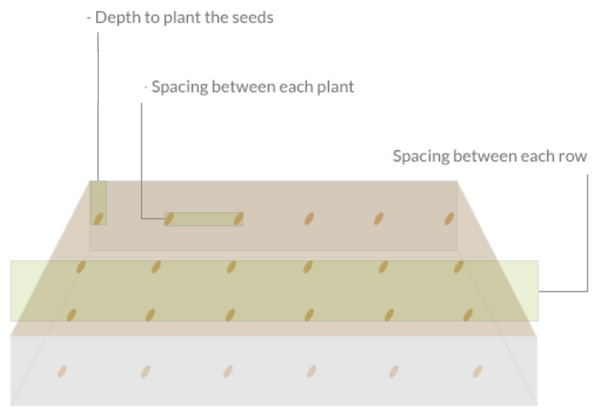
- Depth to plant seeds: .25" deep
- Spacing between plants: 12"-24" apart
- Spacing between rows: 24"-36" apart
- Days to germinate (sprout): Up to 30 days
- Germination soil temps: 75F-95F
- Soil needs: 6.0-7.0 pH
- Sun needs: Full sun
- Frost hardy: No
- Planting season: Spring, summer
- # of plants per sq. ft.: Appx. 1 plant per sq. ft.
- Avg. Days to maturity: 75-85 days
Good companion plants: Basil, Carrot, Cucumber, Eggplant, Okra, Rosemary, Sage, Squash, Tomato
In Summary
Peppers are easily second only to tomatoes as a home gardeners favorite. Try spot planting them around the garden for bursts of beautiful color too. Pepper roots don't like to be disturbed, so plant them indoors in Seed Starting Soil Pods about two months before your last frost date, usually three or four seeds to a pod. Peppers love full sun!
When to Plant
2 months before your last frost date. Usually three or four seeds to a pod.
How to Plant
Peppers love full sun, but don't plant peppers where tomatoes or eggplants grew previously, because all three are members of the nightshade family and are subject to similar diseases.
Keep your soil moist and about 75°F. They need at least 5 hours of sunlight a day. Once the seedlings are 2 to 3 inches tall, thin them by leaving only the strongest plant.
When pepper seedlings are 4 to 6 inches tall, harden them off for about a week.
To avoid shocking the plants, make sure the soil temperature is at least 60°F before moving them outside; this usually occurs 2 to 3 weeks after the last frost.
GOOD COMPANION PLANTS: Carrot, Cucumber, Sage, Squash, Tomato
Harvest peppers during mild and dry weather by cutting them from the stem. Make sure you wear gloves if you are sensitive to the heat. Most hot peppers will be mature and ready to eat in 70 to 85 days, but some can take as long as 150 days, depending on when you transplanted them. They're mature when they are firm, good sized, and have thick walls. Handle carefully, because nicks and bruises can cause them to rot faster.
RELATED LINKS: Click here to read more about planting peppers ⟐ How Hot Will My Peppers Be? Scoville Scale Heat-Ranking for Hot Peppers ⟐ Tips on How To Successfully Germinate Hot Pepper Seeds ⟐ 15 Super HOT Varieties Every Pepper Enthusiast Must Try ⟐ Tips for Germinating HOT Pepper Seeds