| Shop all Artichoke Seeds | Shop Good Companion Plants for Artichokes |
|

Starting Your Artichoke Seeds Indoors
Artichokes thrive when you give them a head start before the growing season. Start artichoke seeds indoors 8–10 weeks before your last spring frost. Fill seed trays with moist, well-draining seed-starting mix and plant seeds about half an inch deep. Keep the soil consistently moist and maintain temperatures between 70–75°F for best germination, which typically occurs within 10–14 days. Place trays in a warm location or use a seedling heat mat to speed up sprouting.
Transplanting Seedlings Outdoors
Once seedlings develop their first true leaves and reach 3–4 inches tall, they're ready to harden off. Gradually expose them to outdoor conditions over 7–10 days, starting with just a few hours of indirect sunlight and wind. When soil temperatures reach at least 60°F and frost danger has passed, transplant seedlings into your garden bed. Space plants 24–36 inches apart in full sun, as artichokes need at least 6–8 hours of direct sunlight daily to produce quality buds.
Soil Preparation and Feeding
Artichokes are heavy feeders that prefer rich, well-draining soil. Before planting, amend your garden bed with compost or aged manure to boost organic matter and nutrients. Maintain a soil pH between 6.5–7.5. Throughout the growing season, side-dress plants with compost every 4–6 weeks or apply a balanced organic fertilizer monthly. Consistent feeding supports robust foliage and bud development, which are the edible portions you're after.
Watering and Mulching
Artichokes need regular, deep watering—about 1–2 inches per week, depending on rainfall and heat. Water at soil level to keep foliage dry and reduce disease risk. Apply 2–3 inches of organic mulch around each plant to retain soil moisture, regulate temperature, and suppress weeds. Keep mulch a few inches away from the plant stem to prevent rot.
Managing Pests and Disease
Organic artichoke growing means watching for common pests like aphids, spider mites, and slugs. Inspect plants regularly and remove pests by hand or spray with insecticidal soap when needed. Ensure good air circulation by spacing plants properly and removing lower leaves as the plant grows, which also helps prevent fungal issues. If leaf spots or mildew appear, remove affected leaves promptly and avoid overhead watering.
Harvesting Your Buds
Artichoke buds are ready to harvest 70–100 days after transplanting, depending on variety and conditions. Pick the main central bud first when it's tight and firm, before the bracts begin to separate. Cut buds with 1–2 inches of stem attached. Side buds will continue to form throughout the season, extending your harvest. The younger, smaller side buds are often more tender than the main head, making them ideal for fresh eating or cooking.
SEED PLANTING INFO
- Botanical name: Cynara scolymus
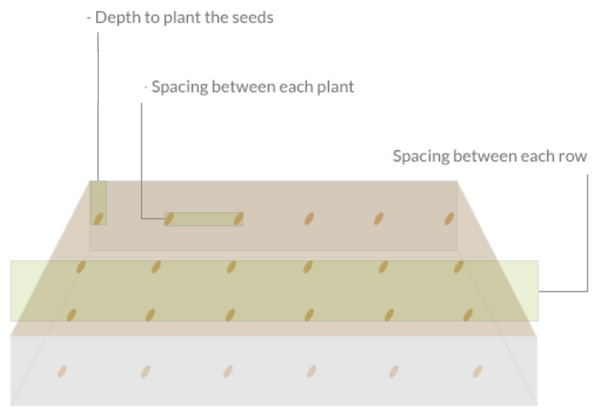
- Depth to plant seeds: .25" deep
- Spacing between plants: 2'-4' apart
- Spacing between rows: 4'-5' apart
- Days to germinate (sprout): 12-21 days
- Germination soil temps: 70F-80F
- Plant height: 3'-5'
- Plant width: 5'-6'
- Soil needs: 5.5-6.5 pH
- Sun needs: Full sun
- Frost hardy: Yes
- Planting season: Spring
- # of plants per sq. ft.: Appx. 1 plant per 9 sq. ft.
- Days to maturity: 85-120 days
ADDITIONAL PLANT INFORMATION
Health Benefits of Artichokes
Want to reduce your cholesterol or improve digestion? Maybe have better gut bacteria? Eating more artichokes might be for you. It also helps with other gut/digestion problems like IBS.

Ways to Eat Artichokes
Artichokes can be eaten in so many fun ways. Most of us have eaten them by removing the leaves one by one and dipping them in a homemade sauce, butter, vinegar, or mayonnaise dip. Lemon juice can be spritzed on them for a light, summery treat. Don't stop at the leaves though—once you remove the inedible choke by peeling it away from the base, you can eat the heart of the artichoke. And, of course, everyone loves artichoke dip.